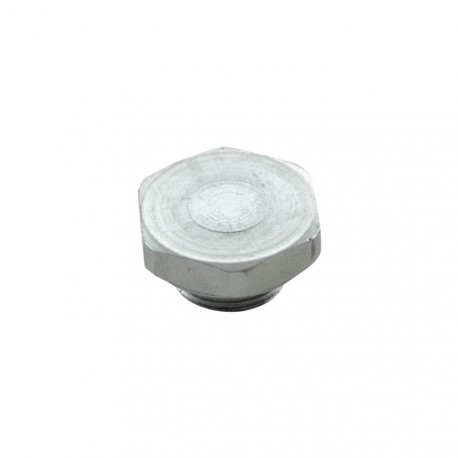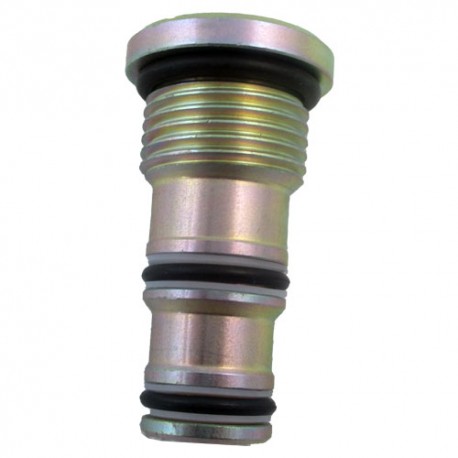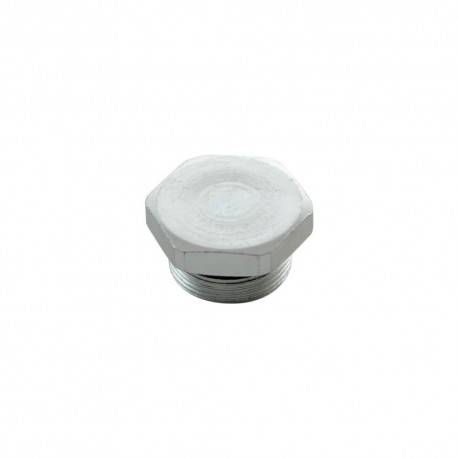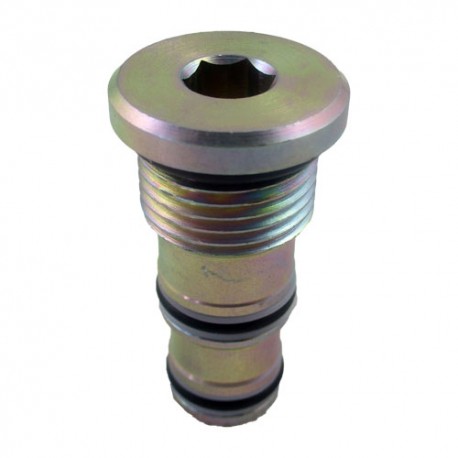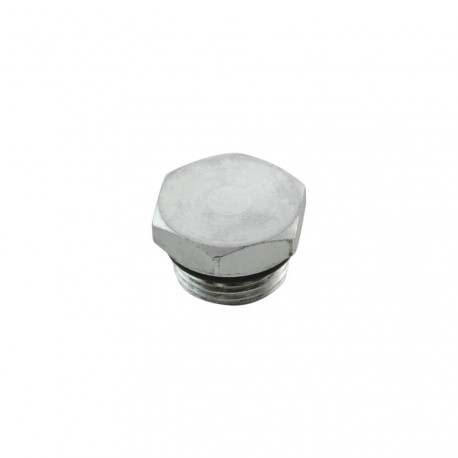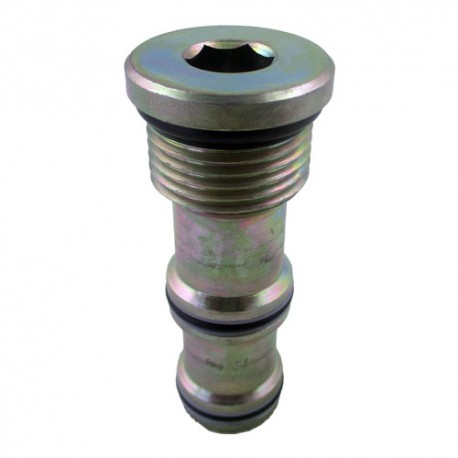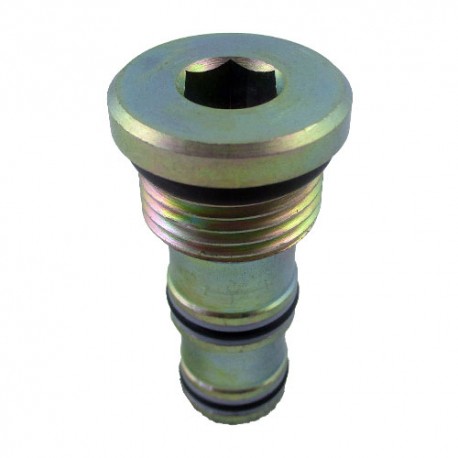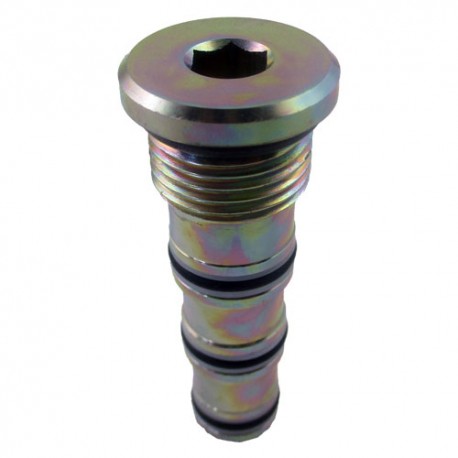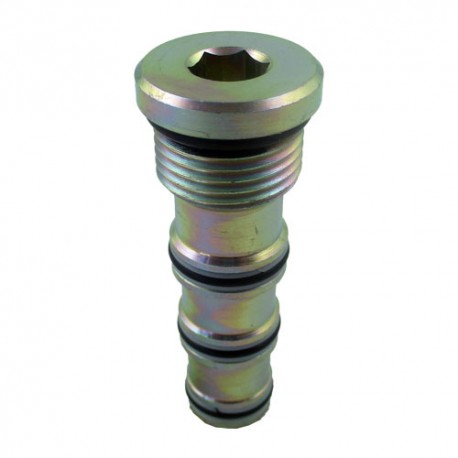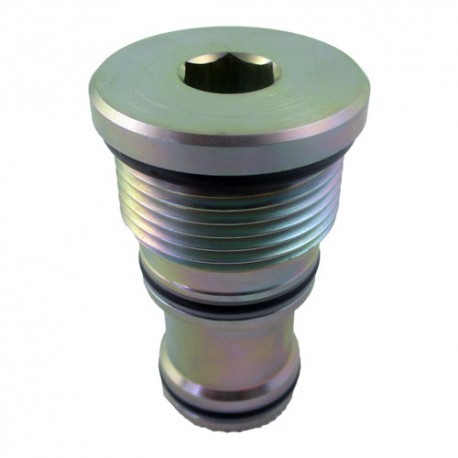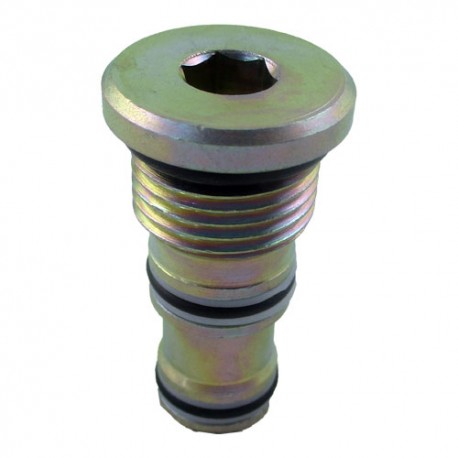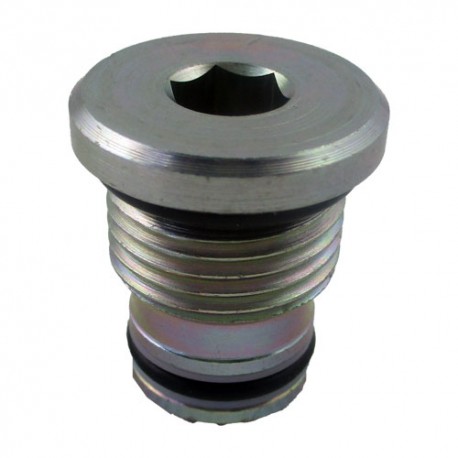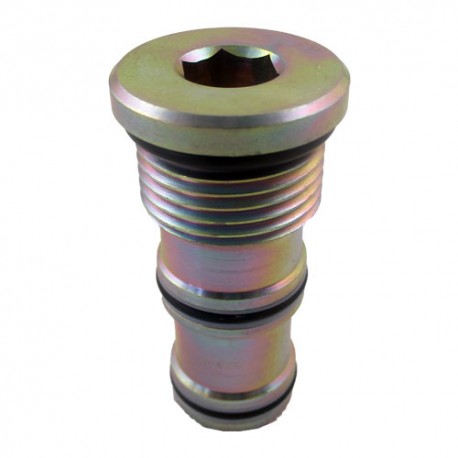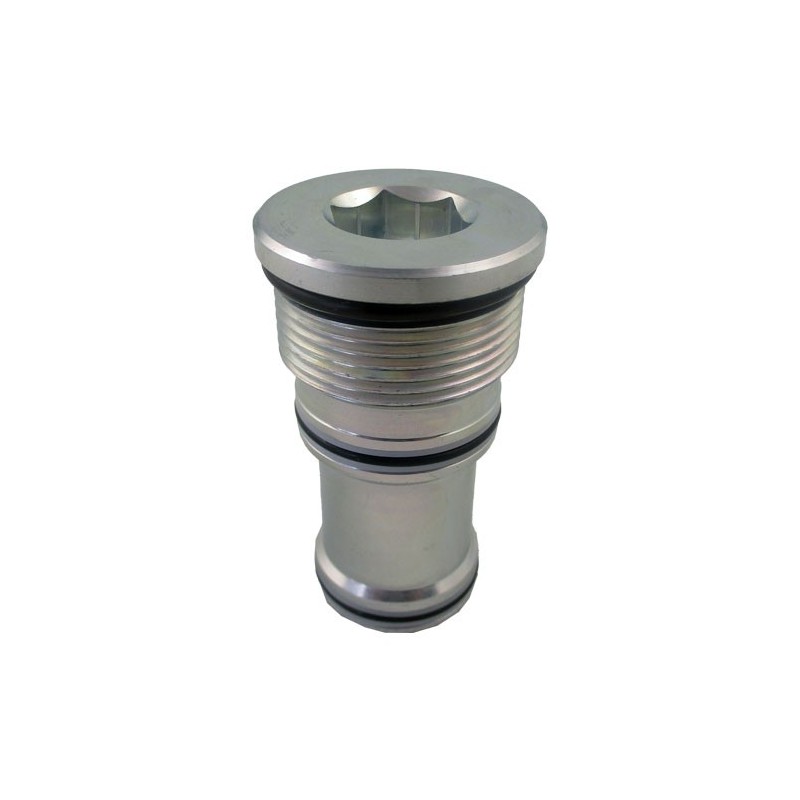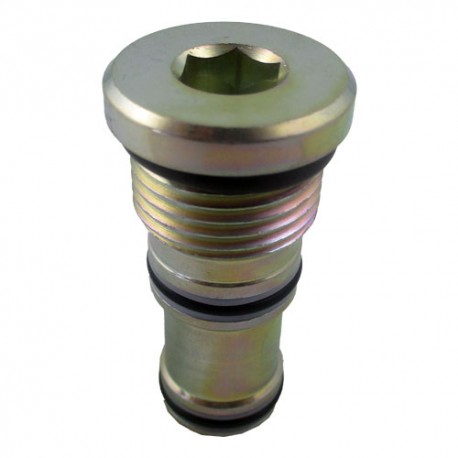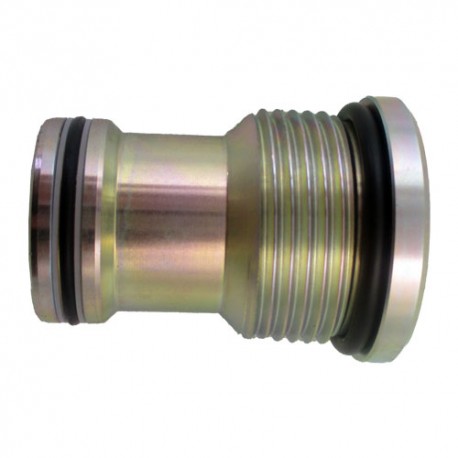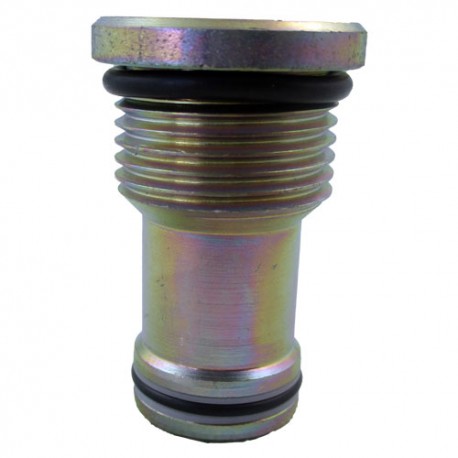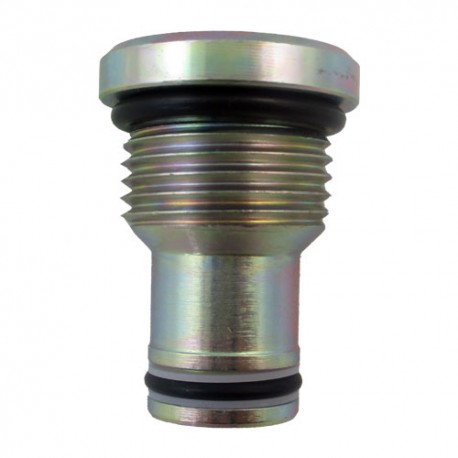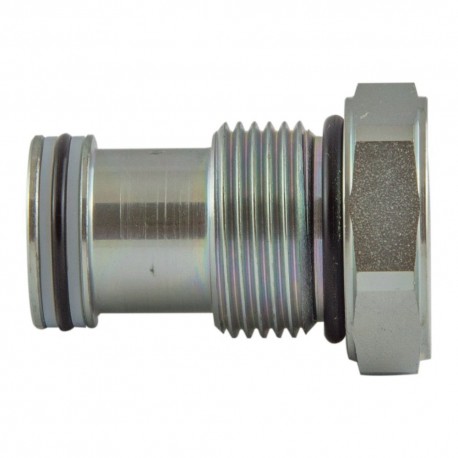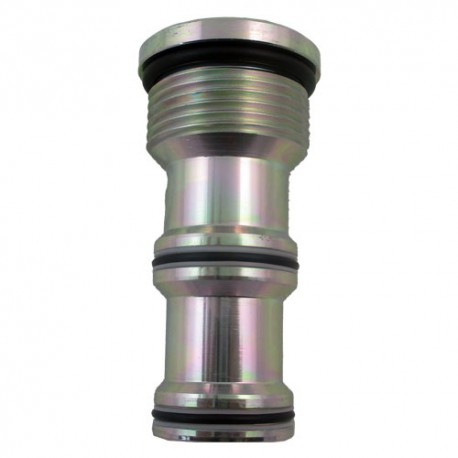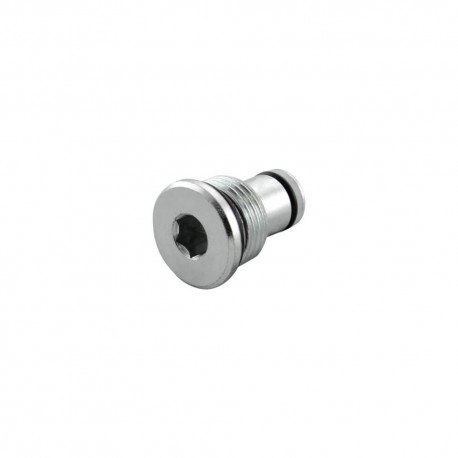
Cavity plug
Hydraulic cavity plugs are essential components used in hydraulic systems that incorporate cartridge valves and electro-cartridge valve manifolds. Their purpose is to seal an unused cavity in a hydraulic block, ensuring system integrity, preventing oil leakage, and protecting the hydraulic circuit.
In modern hydraulic design, many manifolds and hydraulic blocks are machined with standardized cavities designed to accept different hydraulic cartridge valves such as pressure relief valves, check valves, flow regulators, or solenoid-operated valves. When a cavity is not used, a hydraulic cavity plug is installed to close the cavity and block internal flow passages.
These plugs are commonly referred to as:
hydraulic cavity plug
cartridge cavity plug
hydraulic cartridge plug
SAE cavity plug
hydraulic port plug
They are widely used in hydraulic manifolds, power units, mobile hydraulics, and industrial hydraulic systems.
What is a Hydraulic Cavity Plug?
A hydraulic cavity plug is a threaded component designed to seal the cavity of a cartridge valve in a hydraulic manifold or block. It replaces a cartridge valve when the cavity is not required for a specific function.
By installing a cavity plug, the hydraulic system maintains full pressure integrity and sealing, while keeping the possibility to install a cartridge valve later if the system configuration changes.
Applications of Hydraulic Cavity Plugs
Hydraulic cavity plugs are commonly used in many hydraulic applications:
hydraulic manifolds
hydraulic power units
mobile hydraulic systems
agricultural machinery
construction equipment
industrial machinery
material handling equipment
compact hydraulic circuits
They are particularly common in modular hydraulic blocks, where designers integrate several potential valve cavities to allow flexible system configurations.
Compatibility with Standard Hydraulic Cavities
Hydraulic cavity plugs are designed to fit standard cartridge valve cavitiesused by major hydraulic manufacturers.
Typical cavity sizes include:
C-08
C-10
C-12
C-16
These cavities are commonly used for 2-way, 3-way, or 4-way cartridge valvesinstalled in hydraulic manifolds.
By installing a cavity plug, the cavity is completely sealed while maintaining compatibility with the standard cavity geometry.
Common Thread Types for Hydraulic Cavity Plugs
Most hydraulic cavity plugs use standard SAE / UNF threads, ensuring compatibility with cartridge valve cavities.
Typical thread sizes include:
3/4-16 UNF
7/8-14 UNF
1-1/16-12 UNF
1-5/16-12 UNF
These threads match the standard cavity dimensions used in cartridge valve hydraulic systems.
Most plugs are equipped with an O-ring seal, which ensures reliable sealing between the plug and the cavity surface.
How to Choose the Right Hydraulic Cavity Plug
Selecting the correct hydraulic cavity plug requires checking several parameters.
Cavity size
The plug must match the cavity size machined into the hydraulic block.
Thread specification
The thread type must correspond to the cavity thread.
Pressure rating
The plug must withstand the maximum operating pressure of the hydraulic circuit.
Seal type
Most cavity plugs use an O-ring to ensure proper sealing.
FAQ – Hydraulic Cavity Plugs
What is a hydraulic cavity?
A hydraulic cavity is a machined housing inside a hydraulic manifold or block designed to accept a cartridge valve such as a pressure valve, check valve, or flow control valve.
What is the difference between a hydraulic port plug and a cavity plug?
A hydraulic port plugseals an external hydraulic port, while a hydraulic cavity plugseals an internal cavity designed for cartridge valves.
Can a cavity plug be replaced by a cartridge valve?
Yes. A cavity plug is typically used when a cavity is not required. It can be removed and replaced by a compatible hydraulic cartridge valveto add a new function to the hydraulic system.
Explore Our Hydraulic Cavity Plug Range
Below you will find our complete range of hydraulic cavity plugs designed for cartridge valve manifolds and hydraulic blocks, available in multiple cavity sizes and thread specifications to match your hydraulic system requirements.
There are 25 products.